Kimberly Lee’s Boys Don’t Fry (2023) follows Jin, who has a knack for flavors and a deep appreciation for food.
During the lead-up to the Lunar New Year, Jin is entranced by the activities in the kitchen, with his aunties and his Mamah preparing the foods for the feast. His sisters are asked to lend a hand, but they are disinterested and leave “a telltale trail of pineapple tart crumbs behind them.”
Jin works up the courage to ask to work in the kitchen, but he is met by skepticism….
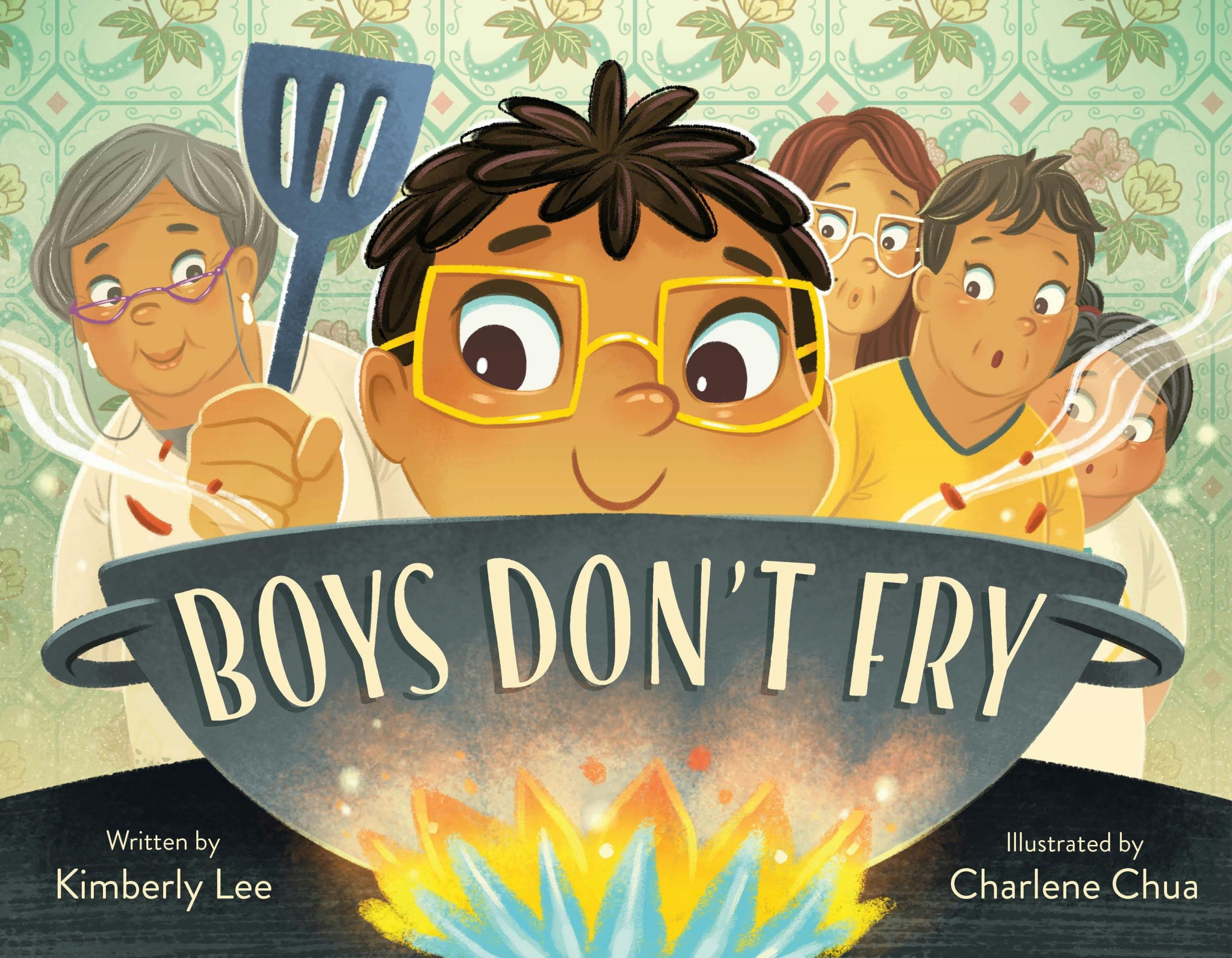
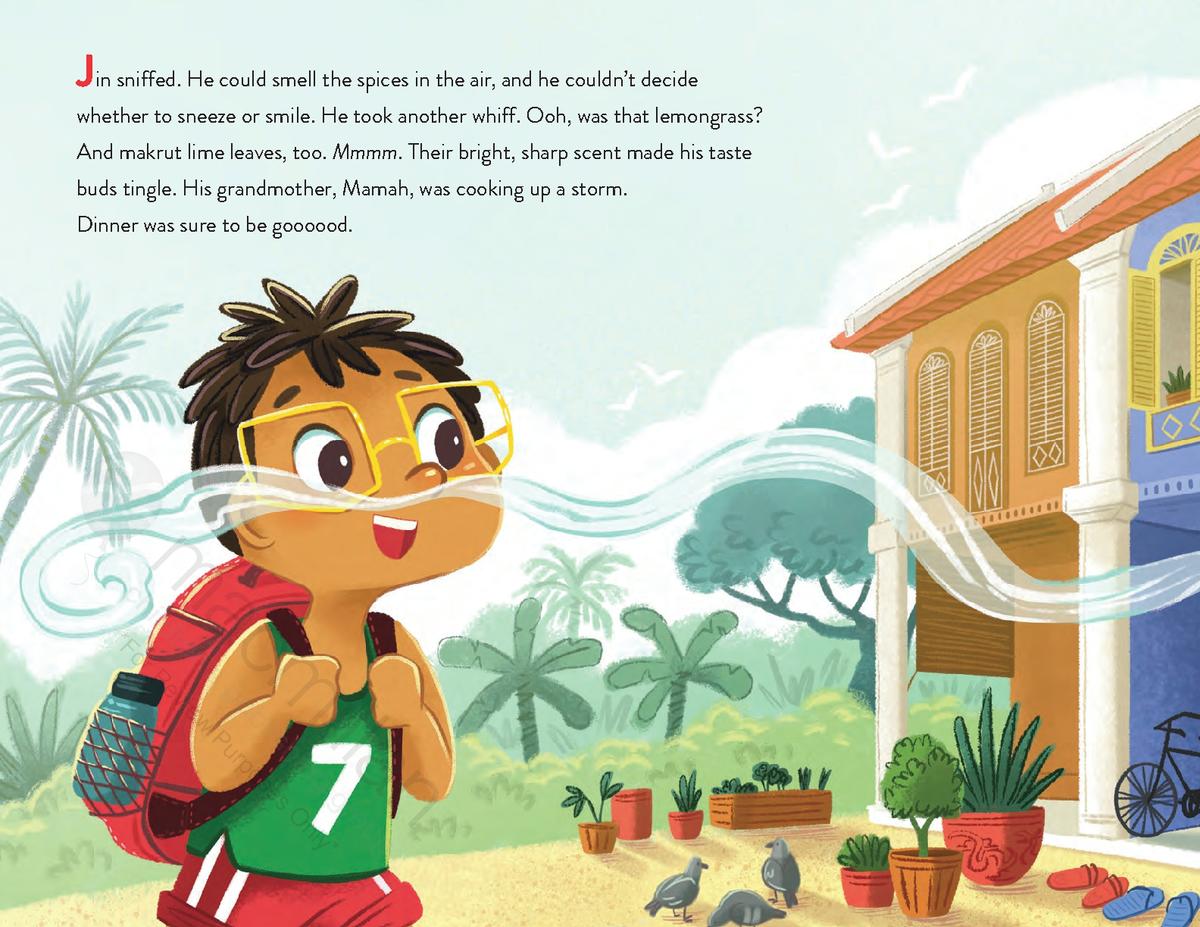
Charlene Chua’s illustrations are energetic and evocative. The endpaper illustration shows Makrut lime, garlic, Galangal, Belcan (shrimp paste), onion, garlic, lemongrass, tamarind, candlenut, dried shrimp, Bunga Kantan (torch ginger), and other flavorings and aromatics used.
The Peranakan Chinese heritage refers to those communities stemming from intermarriage between the ethnic Chinese and the local Malay / Indonesian people starting in the 15th century. These are the “locally born” from “Malaysia, Singapore, and Indonesia.” Through the centuries, they have evolved some of their own food cultures and practices. This charming children’s picture book ends with a Peranakan Pongteh Chicken recipe at the back. The Author’s Note enriches understanding of the text.
Boys Don’t Fry shows the power of breaking with stereotypes and being inclusive of children, whose interests are supported.

Shalin Hai-Jew has worked in higher education for many years. She has edited dozens of nonfiction educational books and authored a dozen with a number of publishers.