If you are Filipino by blood, by marriage or by association — and there are a lot of you — then October is your month. Since 1992, the Filipino American National Historical Society (FANHS) has been celebrating Filipino American History Month (FAHM). This year, the theme is “Beyond the Margins”.
Beyond the Margins recognizes the contributions, struggles, and lived experiences of Filipino Americans, regardless of citizenship, whose stories have been typically overlooked, underrepresented, or excluded from traditional historical narratives. By centering intersectional histories (including but not limited to those of women, LGBTQ+ people, Indigenous Filipinos, Moro/Muslim Filipinos, people with disabilities, multiracial Filipinos, undocumented migrants, adoptees, and other marginalized communities), we move toward a fuller, more nuanced, and more inclusive understanding of Filipino American history.
Some overlooked stories
Many may know and acknowledge the presence and contributions of many from other communities but may not know they are also Filipinx. Here are some of our overlooked heroes and sheroes.
Filipina women in the early 1900s were essential in building communities among the migrant workers in places like Stockton, Delano, Seattle, Hawai’i, and Alaska. Rosemary Bamburger founded the first known lesbian organization in the 1950s (The Daughters of Bilitis).

to file a lawsuit to seek recognition of a same-sex marriage by the federal government. Image
courtesy of the documentary “Limited Partnership” (2015).
Richard Adams as part of one of the first same-sex couple to get legally married in the 1970s and the first same-sex couple to file the first lawsuit to seek recognition of a same-sex marriage by the federal government.
Generalized cultural identities of indigenous peoples from the Philippines include “Filipinos” who were forced to participate at “human zoo” attractions in St. Louis and Coney Island in the early 1900s. They were reduced to objects of colonial spectacle. There are individuals who transcended these circumstances including Antero Cabrera was a young orphan who was first recruited to participate in the St. Louis World’s Fair in 1904. He traveled with many exhibits across the country; and later built a life and a family in the U.S. Relatedly, “Maura” was a teenage girl who died of pneumonia before the start of the St. Louis Fair in 1904; her remains were found among a “racial brain collection” at the Smithsonian, alongside the remains of many other indigenous Filipinos. While some community leaders have been able to identify some of the 1200 indigenous peoples who lived or died at the St. Louis World’s Fair,3 most remain unnamed and their histories remain untold.
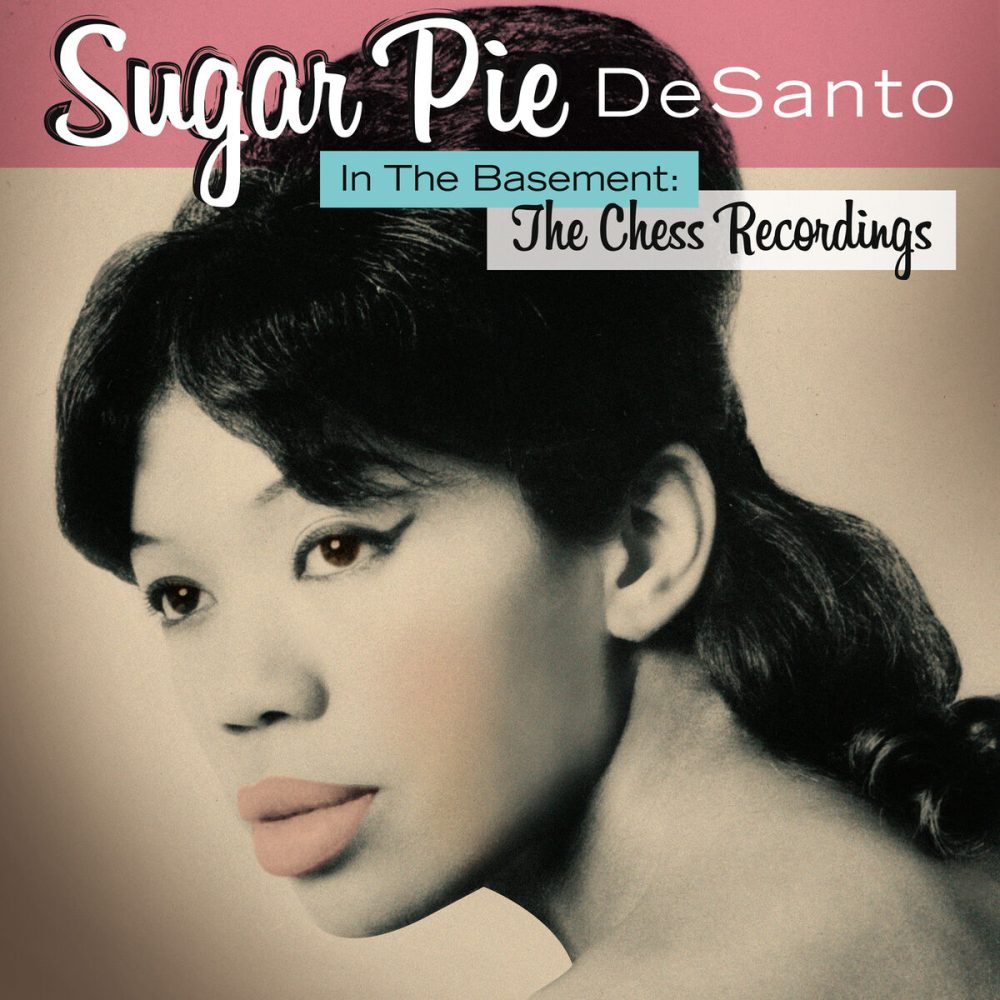
Mixed race Asian Filipinos include Vicki Manalo Draves’ (the first Asian American Olympian Campion Diver) and Sugar Pie DeSanto’s (R&B singer from the 1950s and 1960s).
Blackapinos specifically, are often erased altogether. Case in point, Jose Rizal Elfalan, a Tuskegee airman who had a Filipino father and a Black mother. Also, US Supreme Court Justice Thurgood Marshall and his second wife Filipina Cecilia Suyat Marshall had two Blackapiino children – Thurgood Marshall Jr. who served as White House Cabinet Secretary under Pres. Bill Clinton and John W. Marshall who served as the first African American US Marshals Service Director.

who had a Filipino father and a Black mother.
Archival photo
Indopinos include Uncle Bob Santos, beloved mayor of Seattle Chinatown International District who redeveloped historic buildings and improved housing for low-income elders is the son of Filipino immigrant father and Filipino and Native American/French Canadian mother. Similarly, Bernie White Bear, born of a Filipino father and Sin Aikst Lakes tribe mother was a local Washington activist, cofounding the Seattle Indian Health Board , the United Indians of All Tribes and Daybreak Star Cultural Center. They were part of the Gang of Four, the ultimate pan people of color community change makers.
Filipino Americans with disabilities are often not recognized for how their impairments or marginalized identities impacted their lives. Josefina Guerrero (a Filipina heroine during WWII) had leprosy and spent the remainder of her life in the U.S. as an advocate for destigmatizing the disease. Yet, her illness and her work in disability rights is often glossed over or minimized in historical narratives about her life.
There are also many Filipino American subgroups with notable populations in the U.S. whose histories have not been well documented. For example, there are sizable populations of Filipino Americans who are Muslim or Moro; adoptees; undocumented immigrants, transgender; people with disabilities; and more. While several Filipino American scholars and community leaders have attempted to amplify the voices of these subgroups through personal narratives or contemporary research, understanding these groups through a historical lens would help to better understand our collective struggles and our need to build solidarity within and between all historically marginalized groups.
Call for action
Celebrating overlooked subgroups is especially important during this time when diversity, equity, and inclusion efforts are being erased. As government leaders threaten to flatten marginalized histories, choosing this theme allows FANHS to demonstrate the need to resist censorship; to advocate for social justice; and to offer a more comprehensive telling of our community’s existence and our right to exist. Let us continue to acknowledge our brothers and sisters in the intersection of communities and actively call for our local elected officials to proclaim Filipino American History Month as part of celebrating American History!